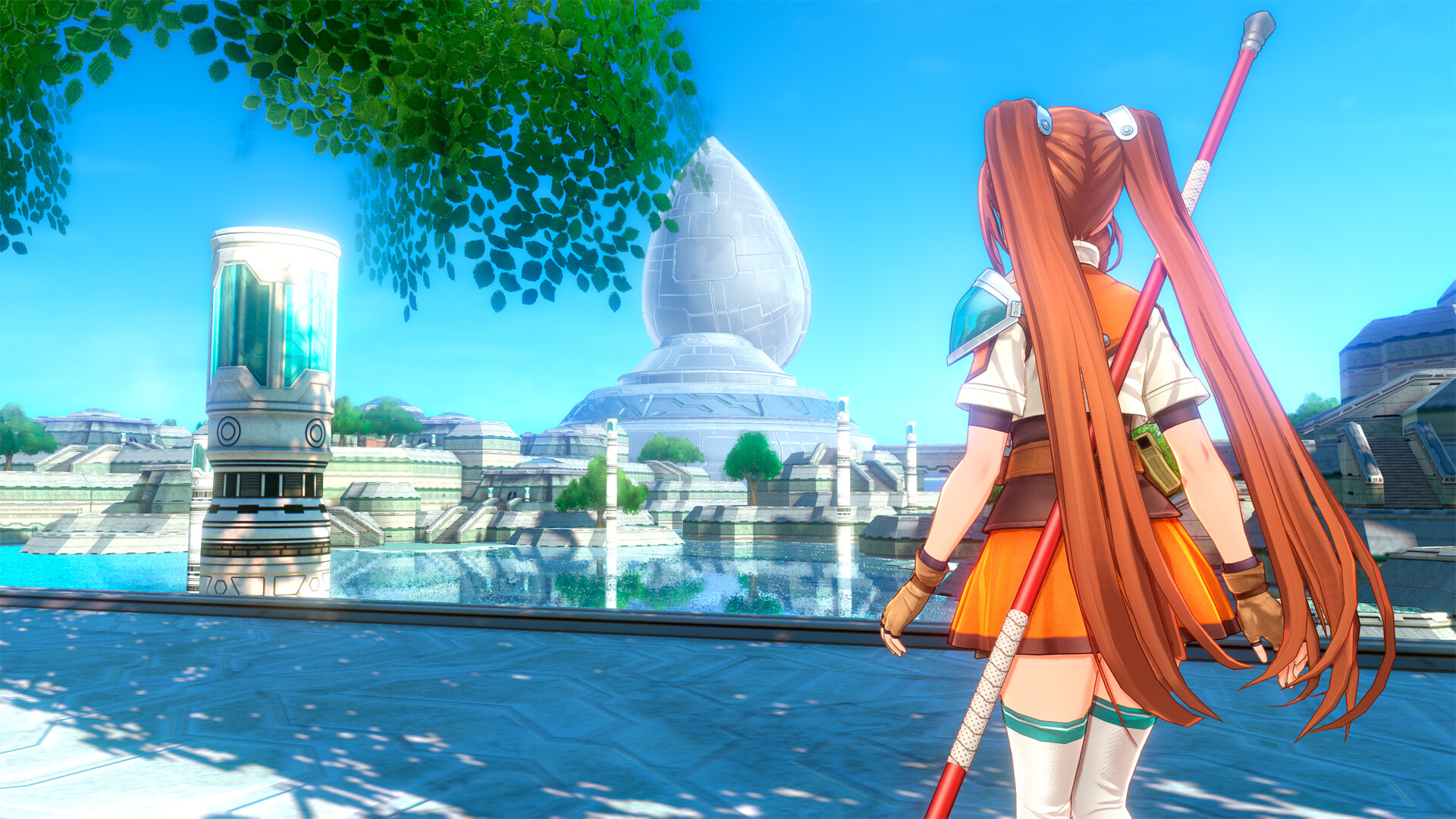
Mastering Trails in the Sky 2nd Chapter Combat: Full Guide
Master the new hybrid system in our Trails in the Sky 2nd Chapter combat guide. Learn about Brave Rushes, Arts, and tactical positioning to win every battle.
Published:
Table of Contents
The release of the remake has completely redefined how fans approach the Legend of Heroes series, blending nostalgic storytelling with modern, high-octane mechanics. Understanding trails in the sky 2nd chapter combat is essential for both returning veterans and newcomers, as the game now utilizes a sophisticated hybrid system that bridges the gap between classic turn-based strategy and real-time action. Whether you are navigating the dangerous ruins of the Ballstar Channel or facing off against the sinister Ouroboros society, this guide covers everything about trails in the sky 2nd chapter combat mechanics to ensure you never see a "Game Over" screen.
The stakes are higher than ever for Estelle Bright as she searches for Joshua, and the gameplay reflects this intensity. By moving away from the purely static turn-based encounters of the original 2006 release, Falcom has implemented a system heavily inspired by the Trails through Daybreak series. This evolution allows for a more fluid experience where player skill in the field directly translates to advantages in tactical command mode. In this comprehensive breakdown, we will explore the nuances of Brave Points, the strategic depth of the Orbment system, and the best ways to manipulate the turn timeline.
The Hybrid Combat System: Quick vs. Command Battles
One of the most significant changes in the remake is the introduction of the real-time and turn-based hybrid system. In trails in the sky 2nd chapter combat, players no longer simply run into an enemy to start a fight. Instead, you engage in "Quick Battles" directly on the field map. This allows you to whittle down enemy health and, more importantly, deplete their stun gauge before committing to a full tactical encounter.
Once an enemy is stunned or if you choose to escalate the fight, you transition into "Command Battle" mode. This is the traditional turn-based arena where you use Crafts, Arts, and S-Breaks. However, the transition is not just visual; your performance in the Quick Battle phase dictates your starting position, turn order, and available resources in the Command phase.
Feature
Quick Battle (Field)
Command Battle (Tactical)
Action Type
Real-time hacking and slashing
Strategic turn-based menu
Primary Goal
Stun enemies and build BP
Defeat enemies and manage HP/EP
Movement
Free movement in 3D space
Strategic positioning within a radius
Special Moves
Brave Rush (Stun focused)
Crafts, Arts, and S-Crafts
Tactical Edge
Advantage starts lead to Brave Attacks
Bonus icons (HP, Critical, Zero Arts)
Quick answer
To master the hybrid system, always aim to stun enemies in Quick Battle first. Starting a Command Battle with an "Advantage" state allows you to launch a preemptive Brave Attack, which can often end smaller skirmishes before the enemy even takes a turn.
Mastering Brave Points (BP) and Brave Rushes
Brave Points (BP) are the lifeblood of trails in the sky 2nd chapter combat. Introduced in later sagas like Cold Steel, BP has been retroactively integrated into the Sky remake to provide a more explosive combat flow. You accumulate BP by landing critical hits, successfully stunning enemies in the field, or hitting enemies who are already in a stunned state.
The strategic dilemma lies in how you spend these points. You can use them during Quick Battles for a "Brave Rush"—a powerful, high-impact strike that deals massive stun damage. While this makes entering a Command Battle easier, it leaves you with fewer points for the tactical phase. According to community reports, players often struggle with "resource greed," trying to save BP for big finishers while taking unnecessary damage in the field.
Action
BP Cost
Phase
Effect
Brave Rush
1-2 BP
Quick
Massive stun damage to field enemies.
Brave Chain
2 BP
Command
A coordinated strike with one ally.
Brave Burst
5 BP
Command
An all-out group attack (similar to an All-Out Attack).
Follow-up
1 BP
Command
A quick pursuit attack after a critical hit.
When you initiate a Command Battle with a tactical advantage, the game allows you to spend BP immediately on a Brave Attack. This refined mechanic ensures that your aggression in the field is rewarded with overwhelming power in the turn-based phase.
Tactical Positioning and Free Roam
Unlike the original game where movement consumed a valuable turn, the remake utilizes the free-roam system seen in Trails through Daybreak. During your turn in Command Battle, you can move your character anywhere within their movement radius without wasting an action. This makes positioning a core pillar of trails in the sky 2nd chapter combat.
Positioning is no longer just about avoiding Area of Effect (AoE) attacks; it now modifies the effectiveness of your Crafts. For example, Kloe’s Kämpfer craft has been updated. In the original, it merely debuffed enemies. In the remake, it deals significantly increased damage when striking an enemy from the flank or rear.
Why Positioning Matters:
Backstab Bonuses: Many physical attackers gain damage multipliers when hitting enemies from behind.
AoE Optimization: Grouping enemies together allows Estelle’s Comet or Agate’s Draguna Blast to hit maximum targets.
Support Auras: Keeping casters like Olivier near the back while tanks like Zin stay in the front ensures your squishy units aren't targeted by melee-heavy monsters.
The Orbment System: Rigid Lines vs. Flexibility
While the combat has been modernized, the Orbment system in the remake stays faithful to the original’s "rigid line" structure. Unlike later games where anyone can be a master of all elements, trails in the sky 2nd chapter combat uses specific elemental Quartz slots and line configurations that define character roles.
Characters like Kloe and Olivier have long, single lines in their ARCUS-style orbments, allowing them to stack higher-tier elemental values to unlock devastating Arts like Judgment Thunder. Conversely, physical powerhouses like Agate have multiple short lines, which limits their high-level magic but allows them to slot various stat-boosting Quartz without worrying about elemental synergy.
Character
Orbment Style
Best Role
Recommended Quartz
Estelle
Balanced (Two Lines)
Versatile All-rounder
Action (Speed), Attack, HP
Kloe
Specialized (Single Line)
Primary Healer/Caster
EP Cut, Mind, Water Quartz
Agate
Physical (Multiple Lines)
Heavy Hitter/Tank
Attack, Break, Seal
Olivier
Specialized (Single Line)
Offensive Caster
Cast, EP, Mirage/Fire Quartz
Pro Tip
Always prioritize "Action" Quartz. In any Trails game, speed is king. Higher speed means more turns on the timeline, allowing you to react to enemy movements and steal bonuses before the opponent can act.
Manipulating the Timeline and Stealing Bonuses
The AT (Action Time) Bar remains the most iconic part of the combat UI. It displays the turn order and, crucially, random bonuses that appear on specific turns. These bonuses can include HP Recovery, Critical Hits, and the coveted "Zero Arts" (which makes the next spell cost 0 EP and cast instantly).
In the remake of trails in the sky 2nd chapter combat, stealing these bonuses has become a primary mechanic rather than a lucky occurrence. Certain Crafts, like Estelle’s Comet, now have a "Steal Bonus" property. Even if it isn't your turn to receive a bonus, using an S-Craft (S-Break) allows you to jump the queue and claim the bonus for yourself.
How to Control the AT Bar:
Impede: Use moves like Agate's Draguna Blast to interrupt enemies who are currently "casting" a spell. This resets their position on the timeline.
Delay: Zin’s True Heralding Fist can inflict the Delay status, pushing an enemy's turn further down the bar. This is essential for keeping bosses from taking consecutive turns.
S-Break Timing: Don't just use your Ultimate (S-Craft) when it's ready. Wait for a "Critical" or "Zero Arts" icon to appear on the enemy's turn, then trigger your S-Break to "steal" that turn and the bonus.
Early Game Training: The Locla Barracks Lessons
Early in the game, Estelle and her new partner Anelise undergo rigorous training under Kurt at the Locla training complex. This section serves as a narrative justification for the player to learn the intricacies of trails in the sky 2nd chapter combat. During the ruins exploration in the Ballstar Channel, players are taught that "survival skills, recon, and anti-terror tactics" are just as important as raw strength.
Player experience from the community suggests that the boss fight against Kurt is the first real test of these mechanics. Kurt uses "Artful Tactics," employing illusions and high-level Arts that require players to use everything they've learned about positioning and Impede crafts.
Common Error
Many players forget to upgrade their gear at the Grand Soul Department Store before heading to the Sand Craw Forest. Even with perfect strategy, being under-geared will make the "Nightmare" difficulty encounters nearly impossible due to the sheer stat difference.
Conclusion: Taking Fate into Your Own Hands
The combat in Trails in the Sky 2nd Chapter is a masterclass in how to modernize a classic without losing its soul. By integrating the Brave Point system and hybrid field encounters, Falcom has created a loop that is both rewarding and tactically deep. As you travel across the Kingdom of Liberl to face the Ouroboros society, remember that every battle is a puzzle. Use your Quick Battles to build momentum, position your party to exploit weaknesses, and never let a timeline bonus fall into enemy hands.
For more information on the game's release and technical requirements, you can visit the official Steam page to ensure your rig is ready for the journey. With Joshua's harmonica in hand and a staff in the other, Estelle is ready to face the darkness—and with this guide, so are you.
FAQ: Trails in the Sky 2nd Chapter Combat
How do I build BP quickly in Trails in the Sky 2nd Chapter combat?
To build Brave Points (BP) efficiently, focus on the Quick Battle phase. Landing successful hits and dodging enemy attacks will fill the gauge. Once an enemy is stunned, every hit you land will generate BP. In Command Battles, landing critical hits or using specific tactical links will also replenish your BP pool.
What is the difference between a Brave Rush and a Brave Burst?
A Brave Rush is used during the real-time Quick Battle phase to deal massive stun damage to an enemy on the field. A Brave Burst is a high-cost (5 BP) move used during the turn-based Command Battle phase, where your entire party launches a coordinated attack to deal massive damage to all enemies on screen.
Can I still play the game like the original turn-based version?
Yes. While the trails in the sky 2nd chapter combat system introduces real-time elements, you can choose to engage enemies and immediately transition to the Command Battle phase. However, you will miss out on the "Advantage" states and BP bonuses that come from mastering the Quick Battle mechanics.
How does the "Steal Bonus" mechanic work with S-Crafts?
In the remake, every offensive S-Craft has an innate "Steal Bonus" effect. If you see a beneficial icon (like Critical or HP Heal) on the timeline, you can trigger an S-Break to immediately take your turn, regardless of the current order, and claim that bonus for your character. This is a vital strategy for high-level boss fights.